How to Look at Your Own Work With Fresh Eyes

After over 20 years running a business, the single hardest skill is learning to look at your own work with fresh eyes. Not pricing. Not hiring. Not even sales.
The ability to see your own work the way a stranger sees it on first contact is the rarest skill an experienced owner has.
Most owners can't do it. That's why the homepage stays broken, the truck stays dusty, and the proposal still has a 2019 footer on it. You've stared at your own stuff so long that you stopped seeing it.
The fix isn't a one-time fix. It's a habit. Once a quarter, on purpose, you go look at everything a customer touches as you've never seen it before. Boring. Repetitive. Worth more than most marketing you'll ever pay for.
Why you stop seeing your own work after 20 years
Twenty years in any trade builds a kind of muscle memory that's a gift on the job and a curse in the office. You know what your work means. You know the story behind the truck. You know why the website says what it says, because you wrote it three years ago at the kitchen table.
The customer doesn't know any of that. They see what's in front of them in the first five seconds, and that's the whole story they get.
Experience replaces what you see with what you remember being there. That's the trap. Your eyes glide right over the broken contact form because your brain already filled it in correctly.
The same blind spot shows up in the truck, the job site, and the website
This isn't a website problem. It's a self-perception problem that lives everywhere your business touches a customer.
If you can't see your own homepage clearly, you can't see any of it clearly.
Walk your own job site tomorrow morning before the crew shows up. Look at it like a homeowner pulling up for the first time. The cigarette butts at the edge of the driveway. The branded shirt that's faded to gray. The trailer with the old logo. You stopped seeing those things ten years ago. New customers see them in three seconds.
Same thing with the truck. Same thing with the proposal you hand someone. Same thing with the voicemail greeting that still has your daughter's name in it from when she recorded it in middle school.
The pattern is identical. You built it, you stopped looking at it, it slowly drifted from your standard, and now it's quietly costing you the best customers.

How to look at your own work like a stranger every quarter
Here's the discipline I run in my own business and recommend to every owner I work with.
Once a quarter. Block two hours. Phone off.
Walk through your business the way a brand-new customer would. In order. Don't skip steps.
- Google your business name. Read the search results out loud. Click the first link a stranger would click.
- Open your website on your phone, not your laptop. The phone is where most of your traffic actually lives.
- Read your homepage headline. Ask one question: would a stranger know exactly what you do and where you do it in under five seconds?
- Click every button. Submit a test contact form. How long does it take to get a response back to your own inbox?
- Read the last three proposals you sent like you're the homeowner. Do they explain the value or just list the price?
- Walk to your truck. Stand 20 feet back. What does it say about the company?
- Listen to your own voicemail greeting. Yes, really.
The point isn't to find everything wrong. The point is to see it again.
You'll be embarrassed. Good. That's the signal the audit worked.
The discipline isn't fixing it once; it's checking it on a schedule
Most owners do this once, get fired up, fix a few things, then drift right back into not seeing it.
The discipline is the schedule, not the fix.
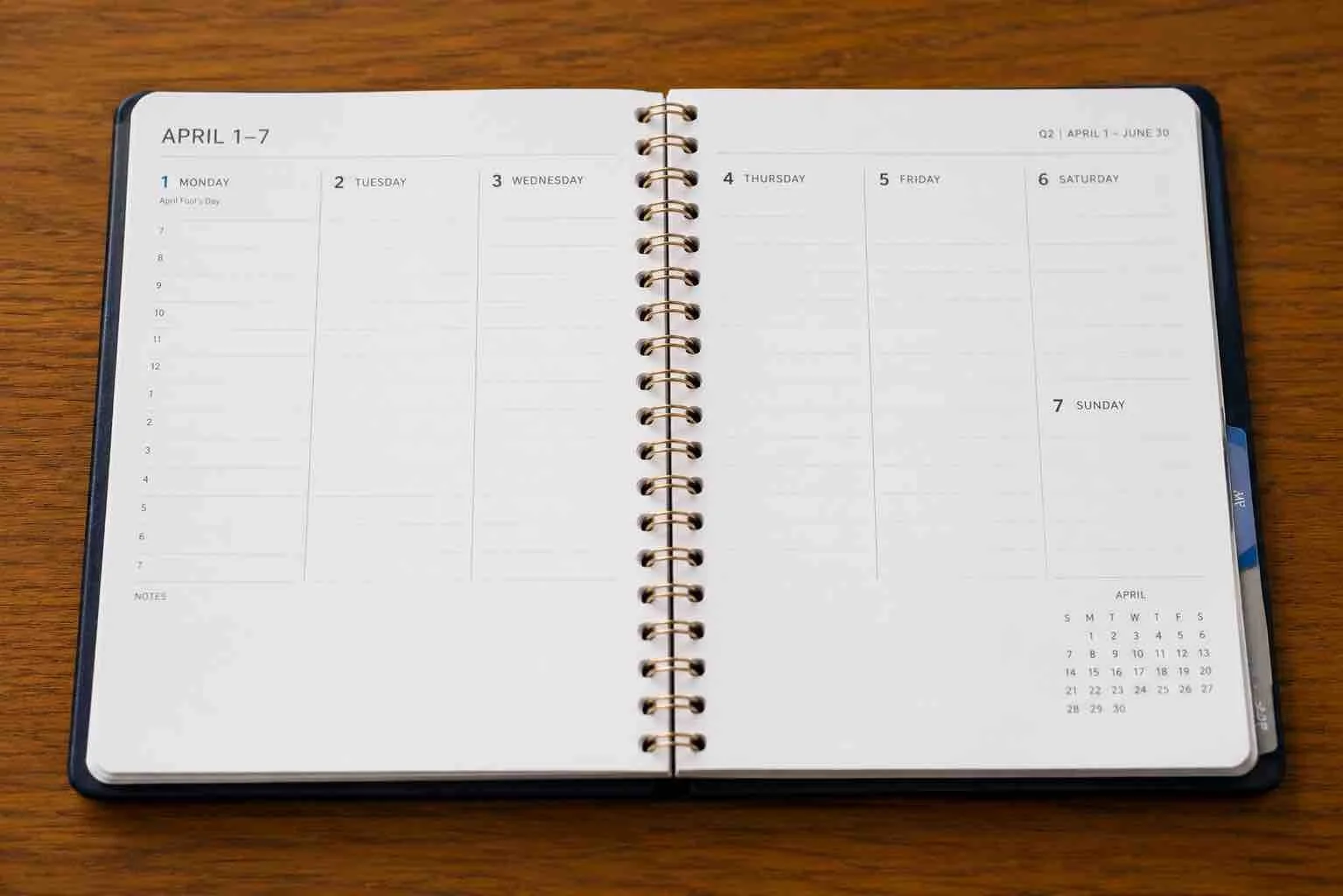
Put it on the calendar. First Monday of every quarter. Same as quarterly taxes. Same as insurance renewal. Same as truck maintenance. Treat your customer-facing presence like a piece of equipment that needs scheduled service, because that's exactly what it is.
If you only look once a year, you're a year behind. If you look every quarter, you stay close enough to your own standard that the gap never gets embarrassing.
This is also why a one-and-done website build doesn't work for most local businesses. Somebody hands you the keys, then a year later, it's drifted just like everything else. The schedule matters more than the build.

## Humility is a business skill, not just a Sunday word
Here's the part most owners struggle with. To look at your own work like a stranger, you have to be willing to find it lacking. You have to be willing to say "this isn't good enough" about something you made with your own hands.
That's humility, and in business it's not optional.
Pride looks at the homepage and says, "It's fine, we've gotten plenty of jobs off it." Humility looks at the homepage and asks, "How many jobs did we miss?"
The owners who keep growing are the ones who can hold both at once. Proud of the work, honest about the presentation. They don't take the criticism personally because they're the ones giving it.
That's why the quarterly audit works. You're not waiting for a customer or a competitor or a kid in your family to tell you the truth. You're telling yourself the truth on a schedule, before it costs you.
Frequently asked questions
How often should I audit my own website and customer touchpoints?
Once a quarter is the sweet spot. Monthly turns into noise and you stop taking it seriously. Yearly is too long and the drift compounds before you notice. Block two hours, four times a year, and treat it like an appointment you can't reschedule.
What if I look at my homepage and don't know what's wrong with it?
That's normal, and it's exactly why fresh eyes are hard. Ask three people who aren't customers or family to look at it on their phones for 10 seconds and tell you what your business does. If they hesitate or get it wrong, your homepage has a problem you can't see from the inside.
Is this just a website thing, or does it apply to the whole business?
The whole business. The truck, the job site, the proposal, the voicemail, the email signature, the invoice format. Anything a customer touches in the first 30 days of knowing you. Your website is just the easiest one to fix on a schedule.
How do I know if my current website is hurting me or helping me?
Open it on your phone. If it loads slowly, looks dated, or doesn't tell a stranger exactly what you do and where in five seconds, it's hurting you. The default state of a small business website is quietly losing leads you'll never know about.
Want this kind of plain-talk thinking in your inbox on a regular basis?
My newsletter covers the unglamorous stuff that actually moves a local business forward: websites, first impressions, and the discipline of running something that lasts.